Jun-Hyeok Seo
I am first-year Ph.D. student in Department of Artificial Intelligence at Kyungpook National University, advised by Prof. Dong-Gyu Lee.
Prior to KNU, I received a B.S. degree in Department of Computer Engineering at Kumoh National Institute of Technology, advised by Prof. Hyeonju Yoon. I worked on diverse topics in computer vision.
News
- 09/2025: I am selected as a Full Scholarship Awardee for my Ph.D. Program at KNU.
- 03/2024: Joined Computer Vision and Machine Intelligence Lab. at KNU(Kyungpook National University).
Education & Affiliations

Integrated M.S.-Ph.D. in Artificial Intelligence
Advised by Professor Dong-Gyu Lee.
Mar 2024 - Present | Daegu, Korea
Integrated M.S.-Ph.D. in AI Safety Convergence (Minor)
Advised by Professor Dong-Gyu Lee.
Mar 2024 - Present | Daegu, Korea

B.S. in Computer Engineering
Advised by Professor Hyeonju Yoon.
Mar 2020 - Feb 2024 | Gumi, Korea
Research
My research interest is human-centric AI, especially in the field of computer vision (CV).
Jun-Hyeok Seo, Dong-Gyu Lee
NeurIPS, 2026
In Preparation
Jun-Hyeok Seo, Da-Hee Kim, Jeong-Cheol Lee, Seungyeon Lee, Sangtae Ahn, and Dong-Gyu Lee
IEEE Journal of Biomedical and Health Informatics, 2026
Under Review
Jun-Hyeok Seo, Young-Woo Youn, Wonjun Choi, and Dong-Gyu Lee
KAIC, 2025
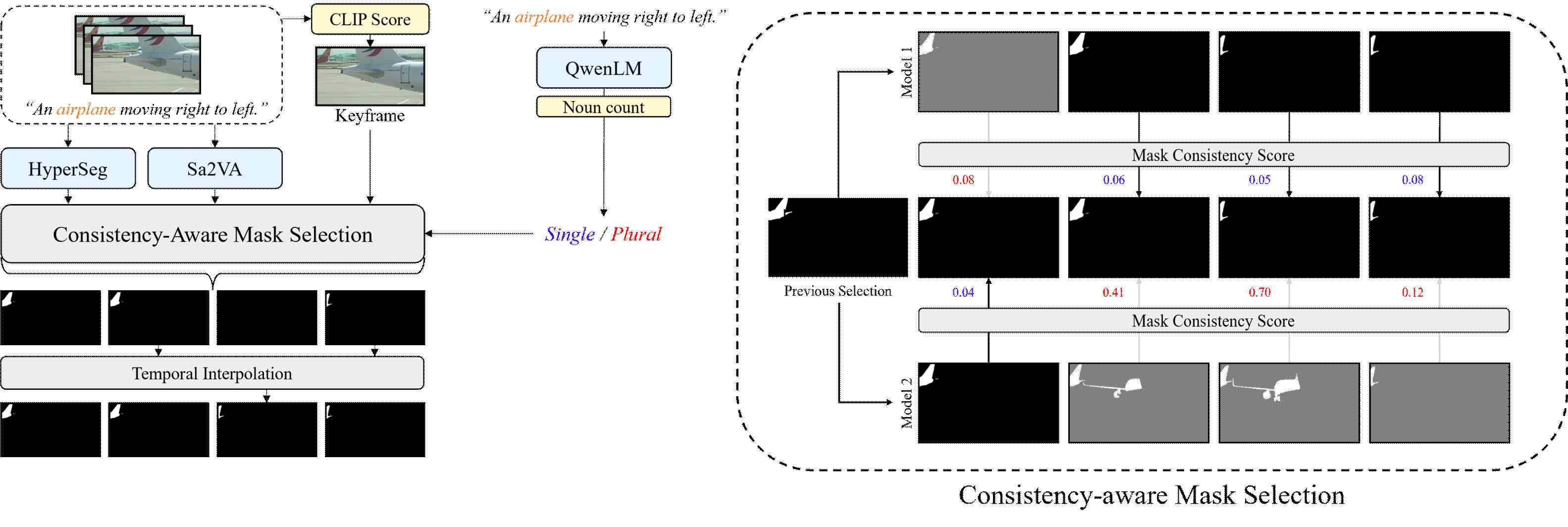
This paper proposes a context-aware adaptive mask selection framework for referring video object segmentation (RVOS). The method integrates CLIP-based keyframe selection, mask consistency scoring, text-guided object number determination, and temporal mask interpolation to ensure both temporal stability and accurate multi-object segmentation.
Jun-Hyeok Seo, and Dong-Gyu Lee
KTCP, 2025
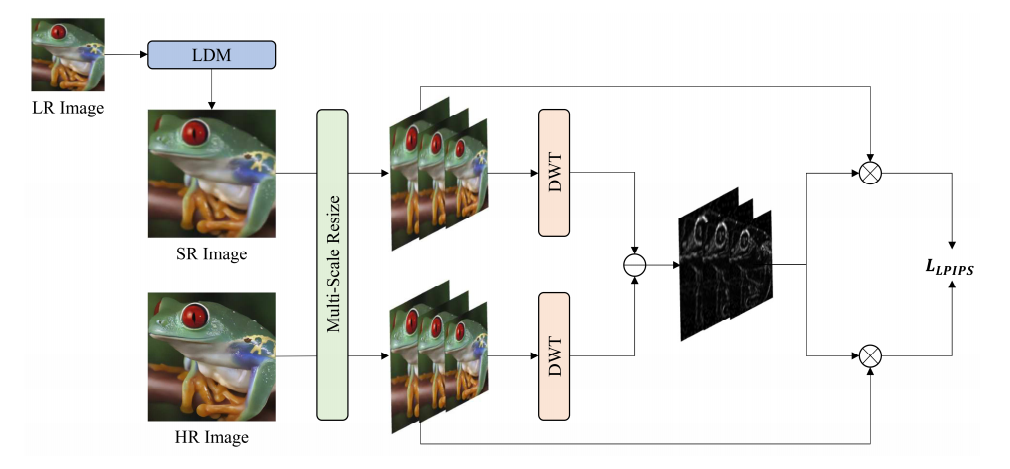
This paper proposes a multi-scale discrete wavelet transform framework designed to enhance the detail quality of super-resolution (SR) methods based on latent diffusion model. Experimental results on benchmark datasets demonstrate that the proposed framework outperforms previous methods, effectively improving the detail quality of super-resolved images.
Wonjun Choi, Jeong-Cheol Lee, Jun-Hyeok Seo, and Dong-Gyu Lee
CVPRw, 2025
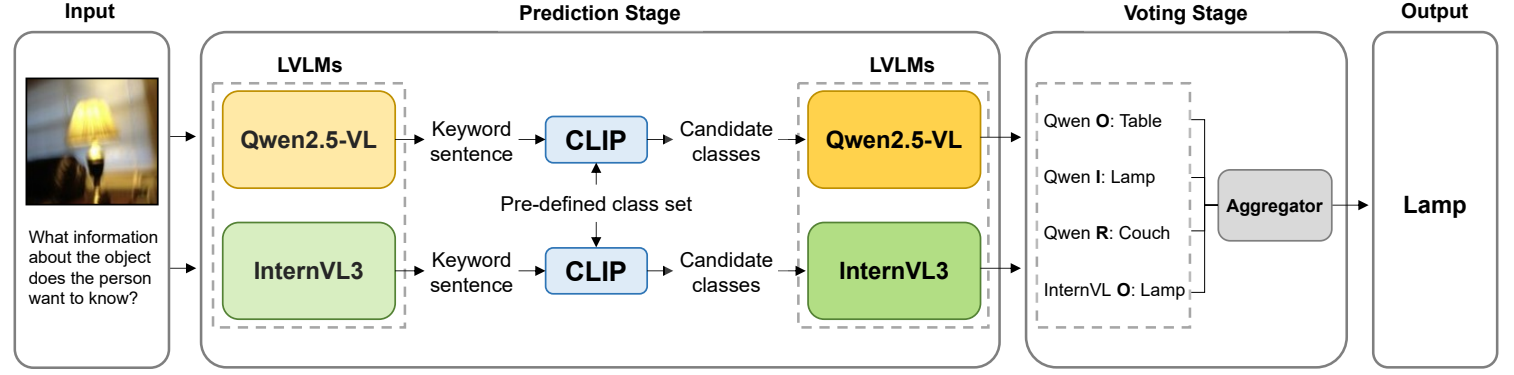
This paper proposes a multi-perspective prompt-based framework for zero-shot image classification using LVLMs, enhancing robustness by integrating object-aware, intent-aware, and reason-aware prompts, and achieving superior performance through ensemble prediction on the VizWiz dataset.
Jun-Hyeok Seo, and Dong-Gyu Lee
KSC, 2024Best Presentation Paper Award
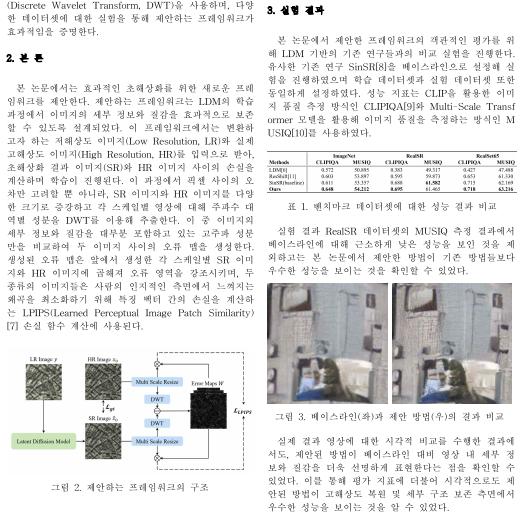
This paper proposes a diffusion model-based image super-resolution framework using multi-scale high-frequency error maps, enabling accurate restoration of image details and outperforming existing methods on benchmark datasets.
Junhyeok Seo, Seongjin Jang, Minjun Kim, and Hyeonju Yoon
KIIT, 2023Bronze Award
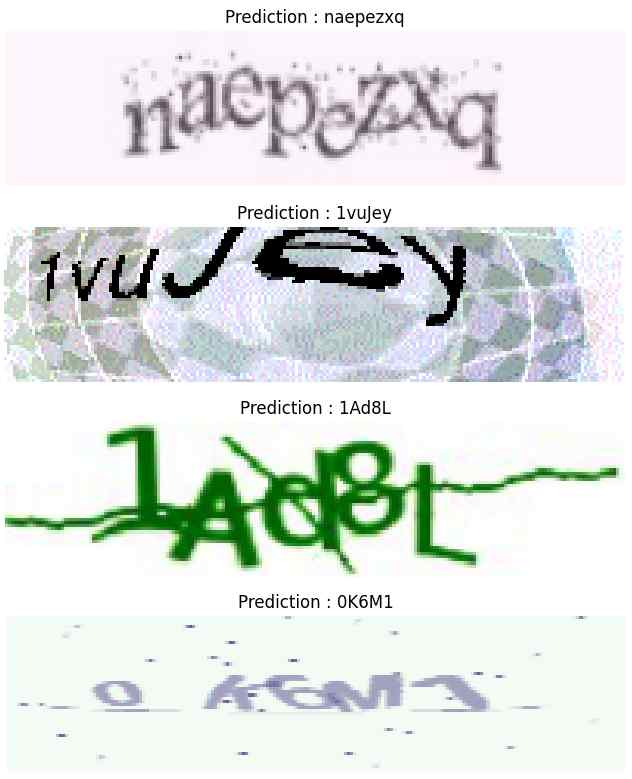
This paper proposes a robust OCR algorithm using the end-to-end Transformer-based TrOCR model, achieving a Character Error Rate (CER) of approximately 0.08 and significantly outperforming Tesseract OCR and EasyOCR.
Junhyeok Seo, and Hyeonju Yoon
KCC, 2023
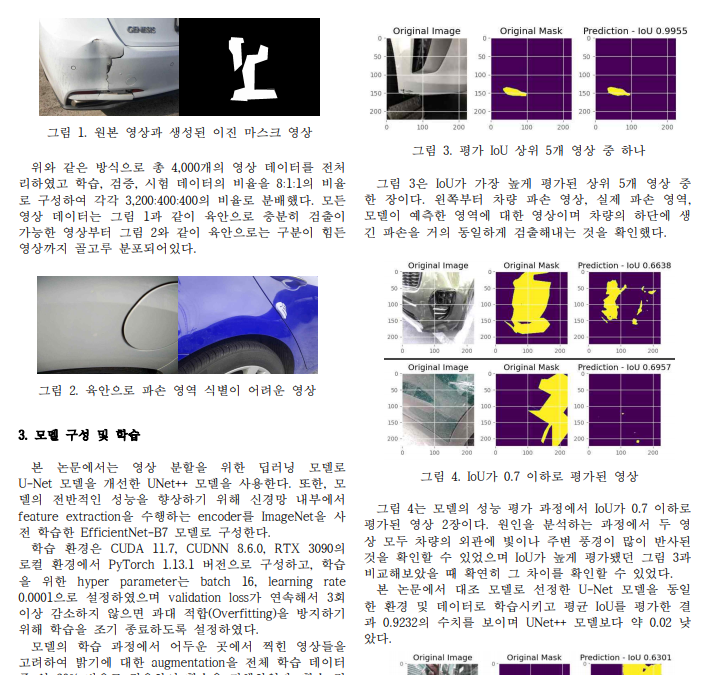
This paper proposes a system for detecting vehicle damage areas through semantic segmentation using the UNet++ model, achieving pixel-level accuracy with an average IoU of 0.94 and comparing its performance with the conventional U-Net model.
Junhyeok Seo, Gunwook Kim, Junsu Park, and Sungyoung Kim
KIIT, 2023Bronze Award
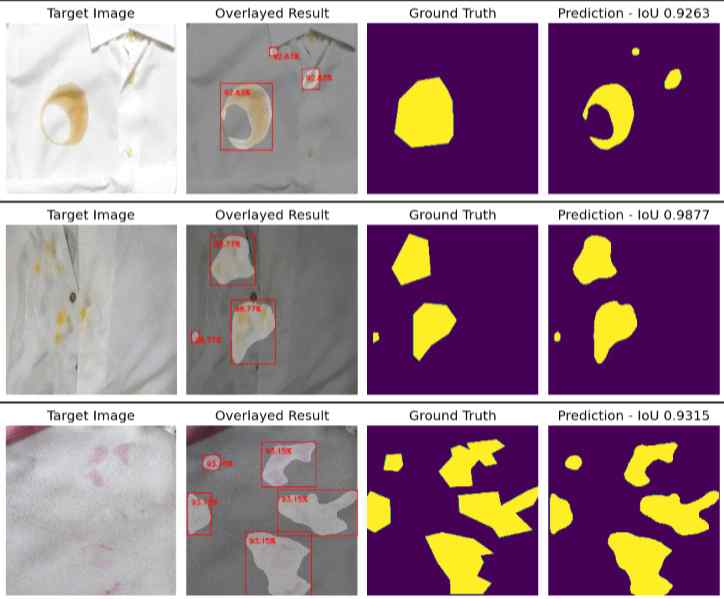
This paper proposes a deep learning-based technique for detecting stains in clothing images using a UNet++ model with an EfficientNet encoder pre-trained on ImageNet, achieving an average IoU of approximately 0.9589.
Gunwoo Kim, Junsu Park, Junhyeok Seo, Yuchul Jung, and Hyeonju Yoon
KIIT, 2022Silver Award
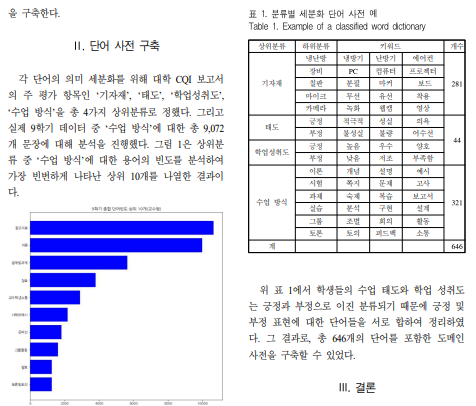
This paper analyzes various words used in CQI reports and constructs a domain dictionary to provide the foundation for future automatic analysis of such reports.
Junhyeok Seo, and Hyeonju Yoon
KIIT, 2022Gold Award
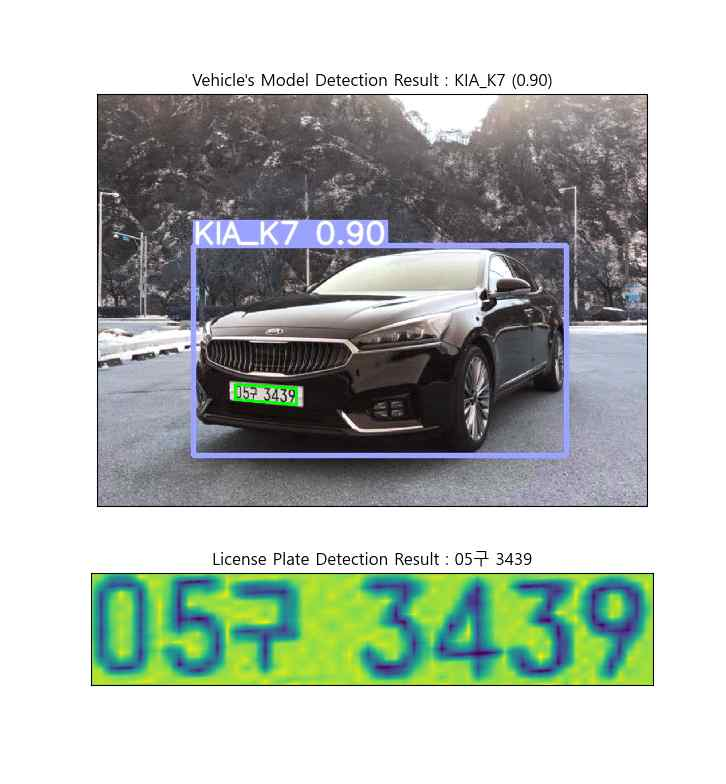
This paper proposes a vehicle model recognition and license plate identification system using YOLOv5, enabling both tasks simultaneously and reducing computational cost compared to previous methods.
Achievements
- [Scholarship] Doctoral Program Full Scholarship from KNU (2025-2)
- [Scholarship] Merit Scholarship(IH003) from KNU (2024-2)
- [Scholarship] Merit Scholarship(IH003) from KNU (2024-1)
- [Awards] Top Prize of the AI Convergence Safety Idea Competition by KNU (2025)
- [Awards] 3rd Place Winner of VizWiz Zero-Shot Image Classification Grand Challenge in CVPR 2025 (2025)
- [Awards] Merit Award of the AI Hackathon Competition by CNU (2025)
- [Awards] The Mayor of Daegu Metropolitan City Award of the 대구광역시 공공데이터 활용 창업경진대회 (2024)
- [Awards] Best Presentation Paper Award, Korea Software Congress (2024)
- [Awards] Bronze Award for Outstanding Paper, Proceedings of KIIT Conference (2023)
- [Awards] Bronze Award for Outstanding Paper, Proceedings of KIIT Conference (2023)
- [Awards] Silver Award for Outstanding Paper, Proceedings of KIIT Conference (2022)
- [Awards] Gold Award for Outstanding Paper, Proceedings of KIIT Conference (2022)
Teaching Assistant
- (Undergraduate) Data Analysis (CAIB226) (2025-1)
- (Undergraduate) Problem-Solving Skills and Algorithms (CAIB0230) (2024-2)
Professional Experience

(주)해피에이징
Technology Transfer
Jul 2025 - Dec 2025 | Daegu, Korea

Kyungpook National University
Undergraduate Tutor
Mar 2025 - Jul 2025 | Daegu, Korea

LG Aimers
Education Completion
Jul 2022 - Sep 2022 | Online

TimeComs
Web Publishing Team
Jul 2022 - Sep 2022 | Gumi, Korea

WONIK QnC
Facilities Management Department - Data Processing
Jul 2021 - Sep 2021 | Gumi, Korea

Kumoh National Institute of Technology
Freshmen Mentor
Mar 2021 - Feb 2022 | Gumi, Korea
|
Source code credit to Dr. Jon Barron |